
What Stress Looks Like in Manufacturing (and Why It Matters for Safety)
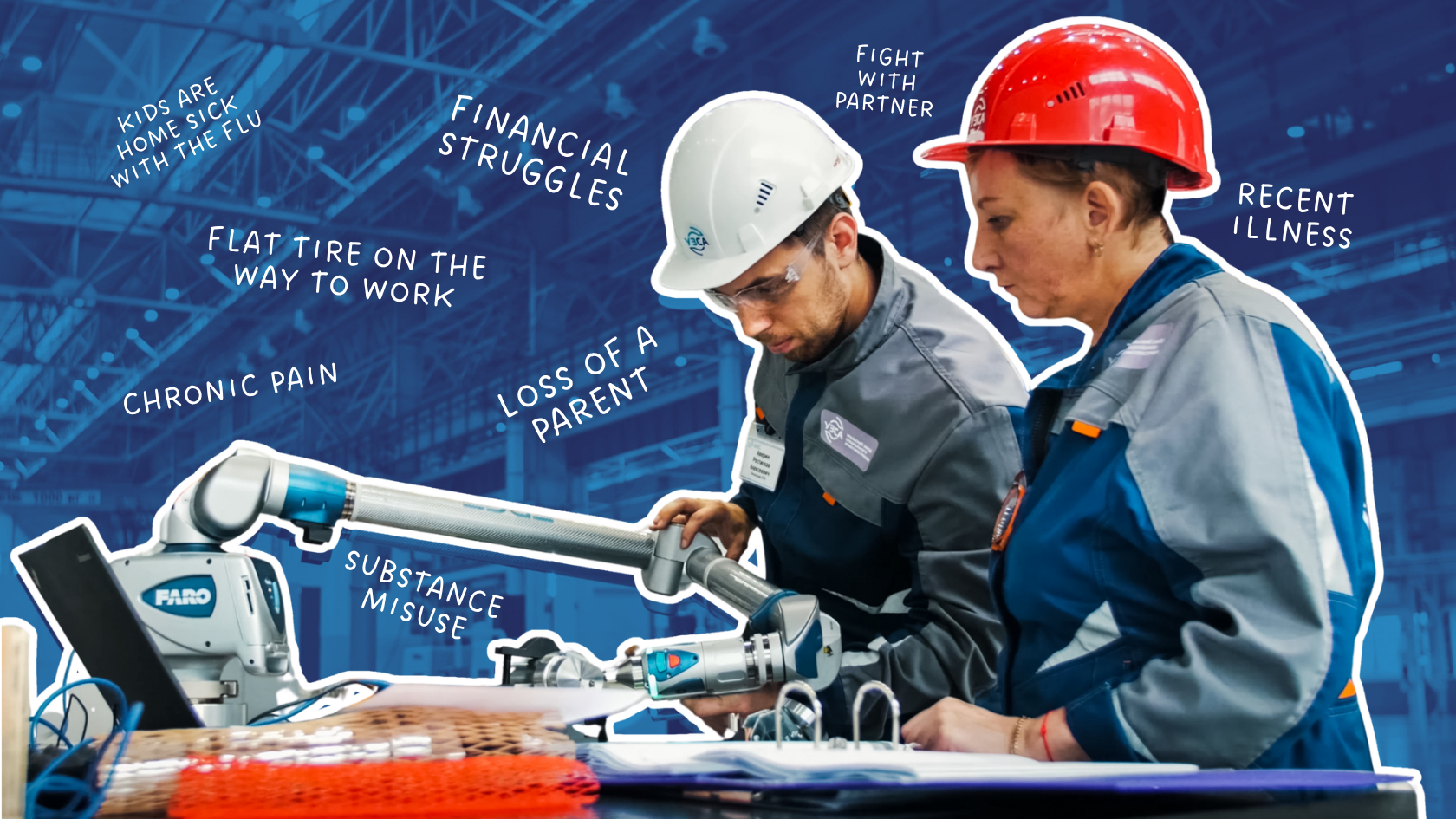
Stress has a way of bubbling to the surface at the worst times. And near the top of that list is a production floor.
When you’ve got a group of people running dangerous machines and trying to hit quotas, the stress level can be high even when everything goes right.
Throw in a hiccup or two and it can quickly snowball into a rough shift.
I worked in one of those factories for almost 14 years.
On my very first day, I was trained in one of the most stressful jobs there.
I’ll never forget what the guy training me told me: “Your best day up here will be worse than their worst day down there.”
Awesome. Day one, and I get hit with that shit. There were ten old-timers nearing retirement down the line who depended on me doing my job right, and faster than they could, so they could do theirs the way they expected.
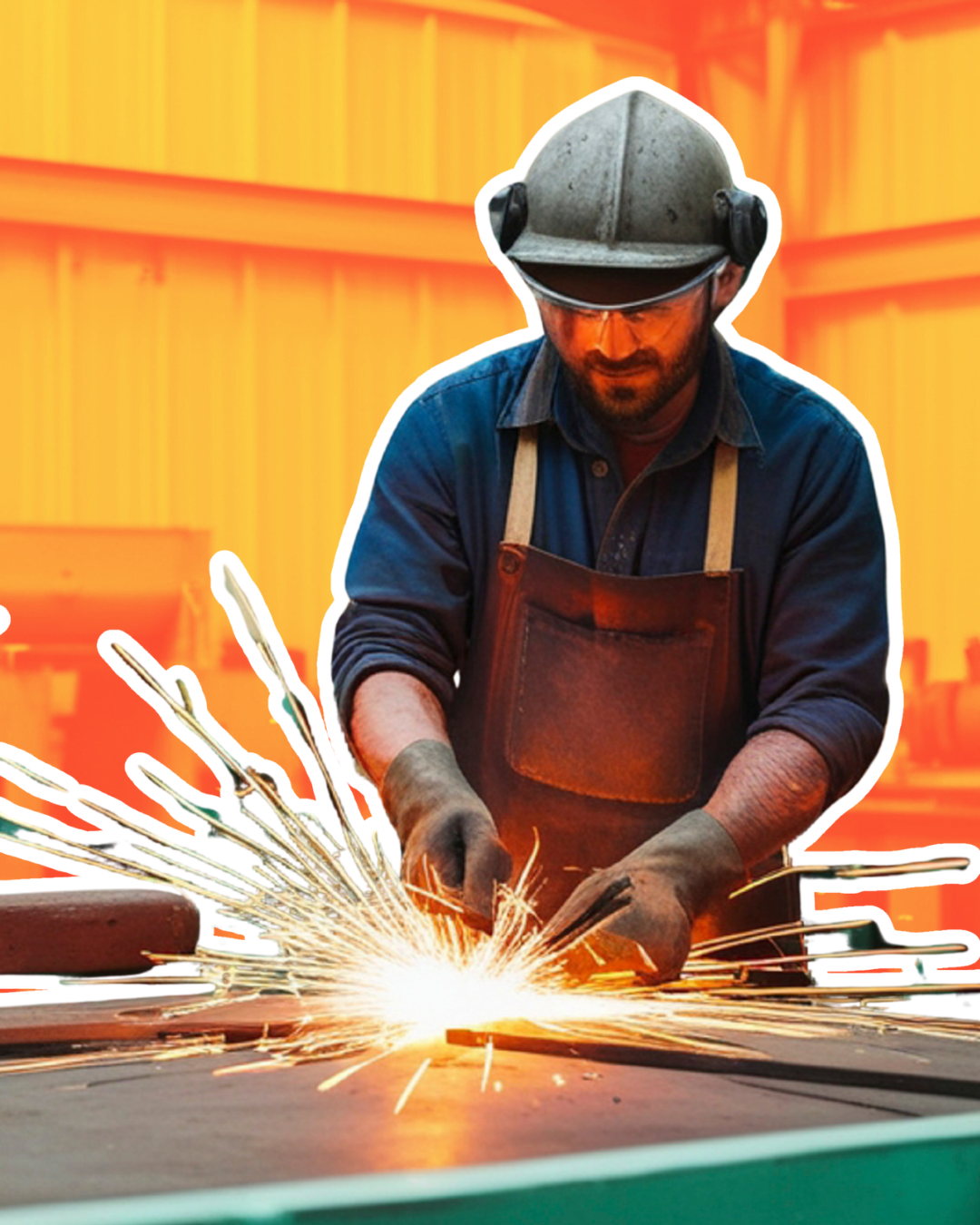
DID YOU KNOW?
Workplace stress has been reported to cause 120,000 deaths in the US each year. (see data)
I can’t believe I didn’t quit. It was absolutely one of the worst years of my life.
I dreamt about that machine. I dreaded going to work. And I hated every person who didn’t have to work on that godforsaken hunk of junk.
But that’s an extreme. You expect stress to show up in places like that.
After that first year, I was able to move around and get less stressful jobs. But stress was always present, it just showed up in different ways.
Some people would blow up at a coworker.
Some would pull back and get distracted.
Some would just call in for the day.
All of those things affect other people. It’s that whole “tossing a stone into a pond and watching the ripples” thing.
The person who just got blown up at goes straight into fight-or-flight. And let me tell you, on a factory floor, you don’t choose flight…ever.
The folks stuck working with a distracted partner end up carrying the load for the shift. Doing a two-person job alone means you’re cutting corners and probably ignoring safety protocols. Frustration builds fast in those situations, and it doesn’t take long before we’re back to the first example: someone blowing up.
Then, there’s the guy who calls in. Now the previous shift is stuck covering half the next shift, turning a 12-hour day into a 16-hour day with no warning. Everyone knew the chronic call-ins. If they were your relief, every shift came with an extra layer of stress because you couldn’t count on the fact that when your shift was up, you’d be going home.
In hindsight, the stress I saw didn’t come out of nowhere - it built over time, and there may have been chances to intervene earlier.
For example, one person had a sick kid. They’d worked there for years and never told anyone. I can only speculate, but it was probably because they didn’t feel comfortable opening up. But they were definitely willing to share their feelings when they were yelling. They were distracted and stressed, and I can personally attest that they were both hard to work with and hard to be around - which only isolated them more.
Another person was going through a divorce. Quietly. Again, distracted. Their way of dealing with it was drinking and they’d missed work not only from hangovers, but from spending time in county for a DUI or two. Their distracted work led to poor product quality. That meant calling people in for overtime to sort through and repack the bad product. If I remember right, it was about a week of at least two people working 8–12 hours of overtime a day. In other words, expensive. And that’s not even counting the extra stress on coworkers who had to cover the person’s missed shifts.
Honestly, I saw a lot of divorces happen there. And a lot of near divorces. The stress of the job caused problems at home, and those problems at home came back as even more stress at work. Sometimes it went the other way around.

The big impacts
83% of US workers suffer from work-related stress and 54% of workers report that work stress affects their home life. (see data)
The fact is, upset employees are upset for a reason.
And it might not even be related to the job but it still affects the whole place.
Here’s a pretty typical example of how big an impact stress can have.
(For anyone from my old gig who might read this, this is made up - stop trying to guess.)
John and his wife are having problems. John comes to work stressed, both mad and worried. He’s distracted the entire shift. His co-worker says, “No worries, man, I get it. Gotta take care of family first.”
The next day, it’s the same thing.
But after a while, the co-worker starts to grow resentful and, eventually, he blows up at John.
Now John has home stress and work stress. He’s on the thinnest of edges.
The forklift driver is busy when John calls for something. John’s stress piles on even more. When the driver finally gets there, he has no idea John is about to snap, so he cracks a joke about John needing to calm down.
Boom. John explodes at him.
Now the driver is in a defensive mood because he has no idea why John is being such an ass. Words get exchanged. And, as they sometimes do, things get said that neither one normally would say out loud.
Now the driver’s fired up. He’s carrying his own stress, trying to make sure everyone has what they need to do their jobs, and he probably hasn’t even had a break yet. So he says screw it and takes one without worrying about where the machines are at with supplies.
He needs a minute to decompress, and he’s sick of what feels like ungrateful operators.
Within minutes, the other operators start getting stressed because they’re running low.
They get on him about it. Already irritated, flustered, and probably hungry, he jumps on the lift and starts rushing around.
We could stop the story there, because anyone who’s spent time on a factory floor knows that’s exactly where someone can get hurt. More likely, though, the whole floor ends up on edge for the rest of the day.
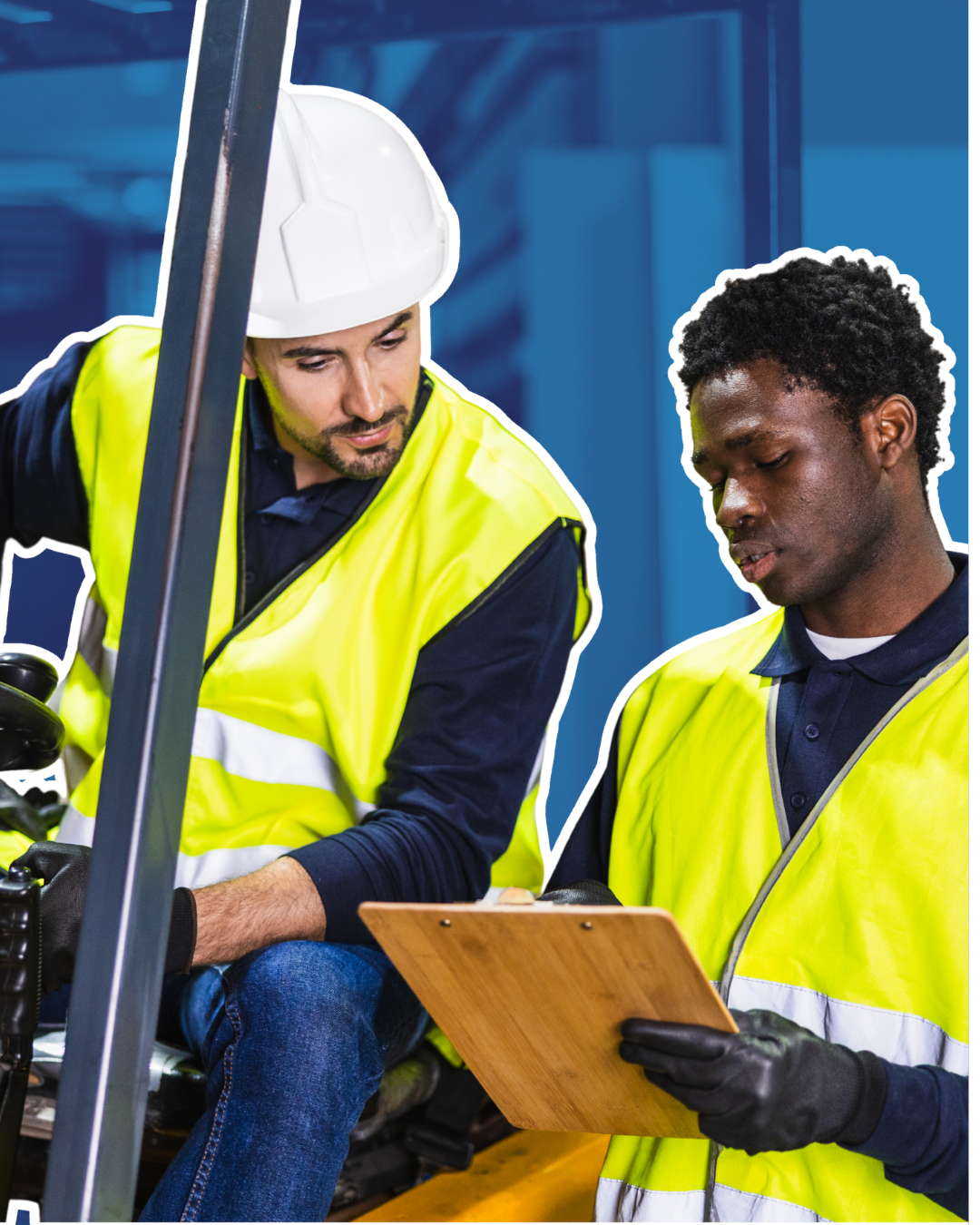
MONEY WELL SPENT
For every $1 spent on ordinary mental health concerns, employers see a $4 return in productivity gains. (read more)
There’s no stronger mob emotion than anger - especially on the factory floor. Leave a group of frustrated operators in that long enough, and it doesn’t just pass - it starts to feel like culture.
And a culture like that guarantees someone gets hurt.
If you’re a leader in an environment like that, you don’t need to overhaul everything to start shifting it.
Sometimes it’s as simple as having a place where people can be honest for a minute without it coming back on them. Someone who gets it. Someone who isn’t there to fix them, write them up, or turn it into something bigger than it needs to be.
Because most of the time, people aren’t blowing up out of nowhere. They’re dealing with something.
And if there’s nowhere for the mounting stress to go, it’s going to come out somewhere else - on the floor, on a boss, or at a moment where someone can get hurt.
If even a small amount of that pressure gets released earlier, the ripple looks different.
Fewer blowups. Less rushing. Fewer shifts that feel like they’re one comment away from going sideways.
And in a factory, catching stress before it spills over isn’t a soft skill. That’s how you keep people safe.

Mike Sommer
Our self-proclaimed “senior intern,” bringing sharp humor, ADHD-fueled insight, and lived experience from the blue-collar world into everything he writes.
