
CCAR is one of the most trusted and widely recognized names in recovery coach training, with more than 110,000 people trained across the world.
Their courses are built to help people develop the knowledge, tools, and skills needed to support others who are in or seeking recovery.
professional recovery coaching programs
why train with us
-
![]()
Trusted CCAR Model
CCAR provides the nationally and internationally recognized recovery coach training model. We bring a peer-run, human-centered approach shaped by both lived experience in recovery and direct experience supporting others through it.
-
![]()
A Place to Keep Growing
Beyond the academy, At The Roots offers the broader suite of CCAR trainings, including options focused on ethics, boundaries, professionalism, advanced practice, crisis navigation, justice settings, emergency departments, and recovery coach supervision.
-
![]()
Ongoing Connection
Training through At The Roots LLC includes access to our online learning and connection space, where participants can ask questions, share resources, hear about additional trainings, and staying connected as they continue growing in recovery support work.



CCAR’s Flagship Recovery Coach Training Program
Recovery Coach Academy©
Recovery Coach Academy© is CCAR’s signature 5-day training for people who want to support others in or seeking recovery from addiction.
This immersive training introduces the core skills of recovery coaching, including how to build trust, listen with intention, support without taking over, and walk alongside people as they define recovery for themselves.
Recognized across the United States and beyond, Recovery Coach Academy© helps prepare participants to serve as peer recovery coaches in a variety of community, treatment, healthcare, and justice-related settings.
-
This 30-hour Recovery Coach Academy is held over five consecutive days and can be offered virtually or in person.
Using CCAR’s “Art and Science of Recovery Coaching” model, this training helps participants build the skills and confidence to support people in recovery through real relationship, intentional listening, ethical practice, and recovery planning.
Throughout the week, participants will explore what it means to show up as a recovery coach in a way that is person-centered, strengths-based, and grounded in respect for each person’s own path.
By the end of the training, participants will have practical tools they can carry into a variety of settings, including recovery community organizations, treatment centers, emergency departments, justice systems, and other community-based spaces.
-
The role and responsibilities of a Recovery Coach
Core values and guiding principles of recovery
Strategies to build trust and enhance communication
Understanding multiple pathways of recovery
Appropriate use of self-disclosure and storytelling
Stages of recovery and stages of change
Cultural awareness, power dynamics, and privilege
Ethical issues and boundary management
How to develop and implement a recovery wellness plan
-
The Recovery Coach Academy© is open to anyone interested in learning how to support others in recovery, including:
People in recovery
Family members and allies
Peer recovery support professionals
Behavioral health providers
Community advocates and volunteers
-
This course provides 30 contact hours and may qualify for peer recovery support certification in your state. CCAR is widely accepted by most certification boards, including IC&RC member boards. Please confirm with your local credentialing body prior to enrolling.
Upcoming Classes
Need a payment plan?
PayPal may offer that option for those who qualify. PayPal at checkout to get started.
Have questions or want to be notified of upcoming training opportunities?
Just fill out the form below and we’ll be in touch!
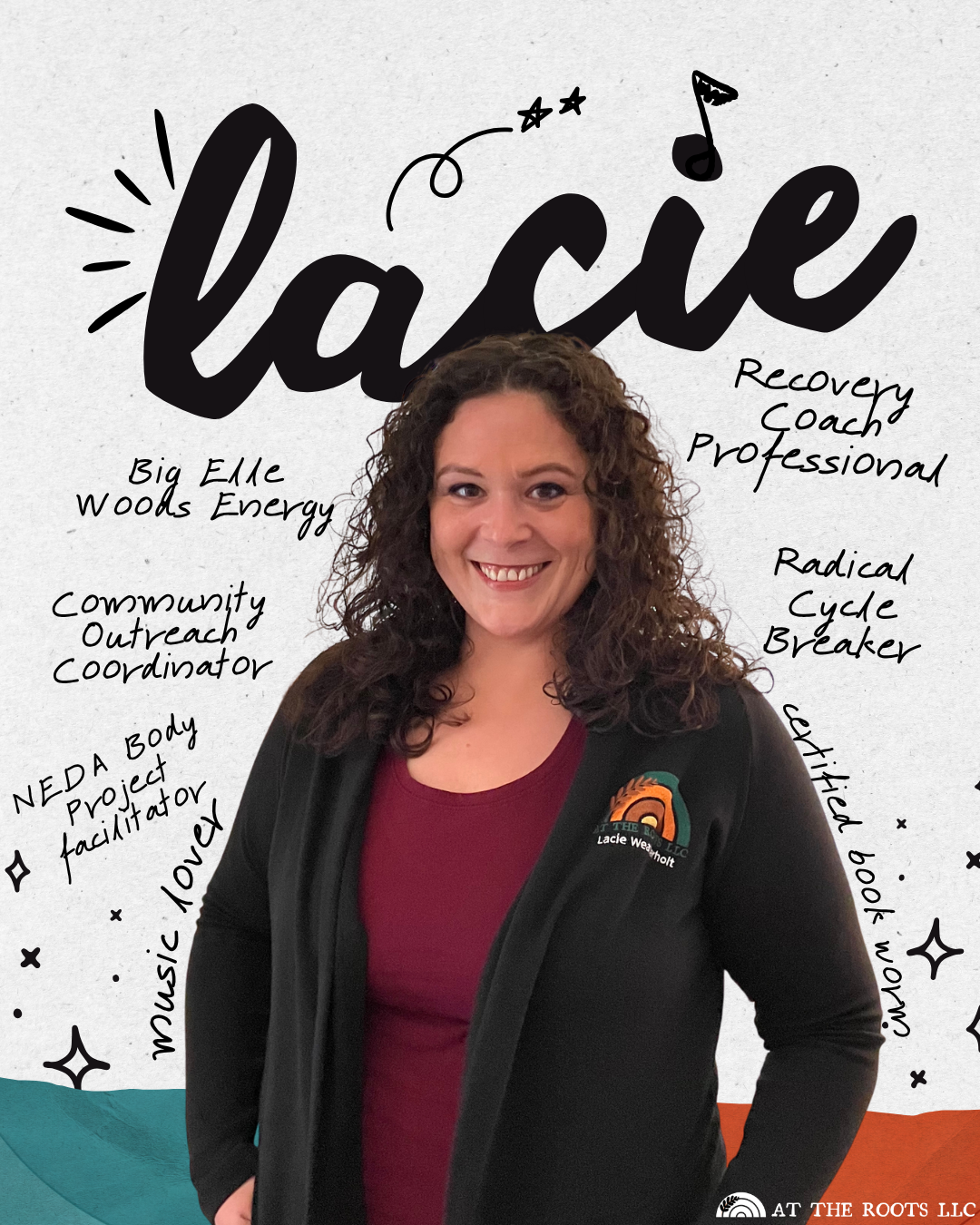
Lacie Weatherholt, RCP
Lacie brings humor, warmth, and a very down-to-earth presence to the learning spaces she facilitates. She is passionate about breaking cycles, advocacy, and building communities where people feel more connected and supported.
Meet your Facilitator:
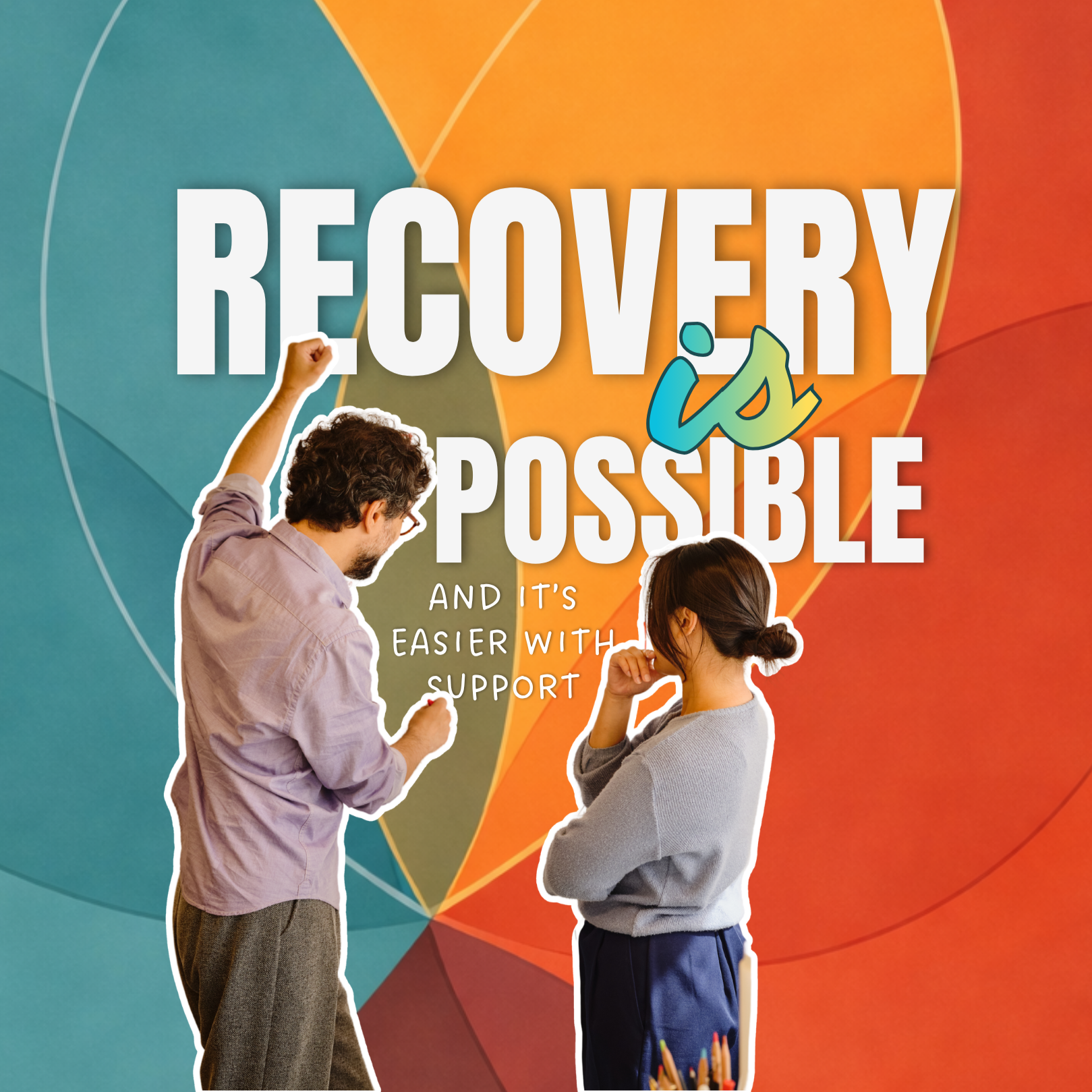
Recovery coaching is meaningful work built on practical skills, strong ethics, & compassionate care.
Recovery coaches may serve in peer-run organizations, recovery community organizations, treatment programs, hospitals, emergency departments, justice settings, reentry programs, shelters, schools, workplaces, and other community-based spaces where people are navigating substance use, recovery, and major life changes.
For some participants, CCAR training is a step toward a new career. For others, it strengthens the work they are already doing. And for some, it provides language, structure, and tools for supporting people they care about in a more informed and respectful way.
Training alone does not guarantee employment or certification, and requirements vary by state and credentialing body. But for many people, CCAR training is an important step toward becoming more prepared, more confident, and more grounded in recovery support work.