Growing with Pride
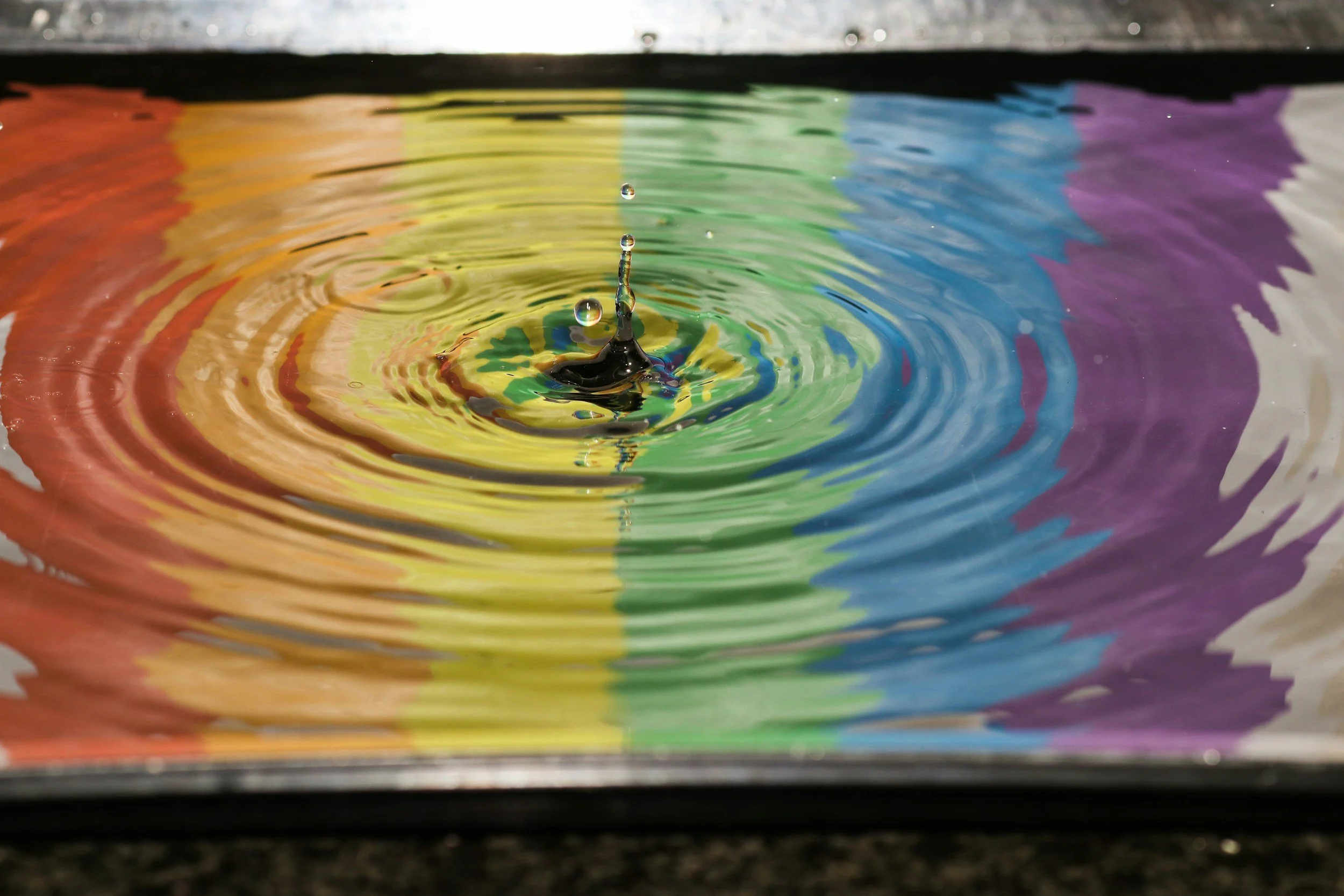
Pride has changed for me over the years…. And honestly, thank goodness!
There was a time when Pride largely meant finding the nearest drunken celebration, staying out late, meeting people I would never really know, and collecting stories that were significantly funnier among friends than they would have been around the family dinner table.
There is nothing wrong with that version of Pride. Joy, after all, is not a frivolous thing. For communities that have spent much of history, up to and including the present day, being told they are Too Much, Too Different, or simply Unwelcome, joy can be an act of resistance in its own right.
But these days, Pride feels less like a party and more like a landmark.
Not a destination, but an annual marker. A reminder of where we've been, how far we've come, and how much terrain remains unexplored. How much potential is untapped. Or, sometimes, how much hurt still remains amidst the joy.
As I've gotten older Pride has become an opportunity to take inventory of identity. To claim parts of myself that once felt negotiable and reclaim parts that were handed over too freely in exchange for comfort, acceptance, or safety. It is a chance to reflect on the generations of LGBTQIA2S+ people who carried burdens they did not choose so that the rest of us could walk a little lighter, at least in some spaces.
History has a way of smoothing rough edges over time. Pride can sometimes be packaged as a colorful, marketable celebration, but beneath the rainbow merchandise and corporate social media posts is a long story of people refusing to disappear. People who insisted on being seen, heard, and counted when doing so came with real consequences.
What I appreciate most now is that Pride does not demand a particular expression. It is not a dress code (but honestly, bring on the rainbows!), a political litmus test, or a required-attendance event for every member of the community.
For some, Pride is a parade. For others, it is advocacy, community service, mentoring, or quietly existing as themselves in places where that still requires courage. Sometimes it is standing up for someone else. Sometimes it is finally standing up for yourself. For me, it’s unashamedly starting a story with, “my wife…” even when I don’t necessarily know what the reaction will be.
Pride looks different because people look different. The LGBTQIA2S+ community is not a monolith, and neither are our experiences. The common thread is not that we arrived at the same destination. It is that we are all navigating our own maps while acknowledging the people who helped chart the route before us.
These days, that is what Pride means to me: gratitude for the past, responsibility in the present, and a commitment to leave the trail a little easier to follow for whoever comes next. If you’re someone that doesn’t feel drawn to the parades and rainbows or the large community gatherings that take place throughout June, I’d love to hear how you wear your pride – in June and throughout the year. Drop me a note at emilie@attherootsllc.com, or check out At the Roots on Circle and find me there!